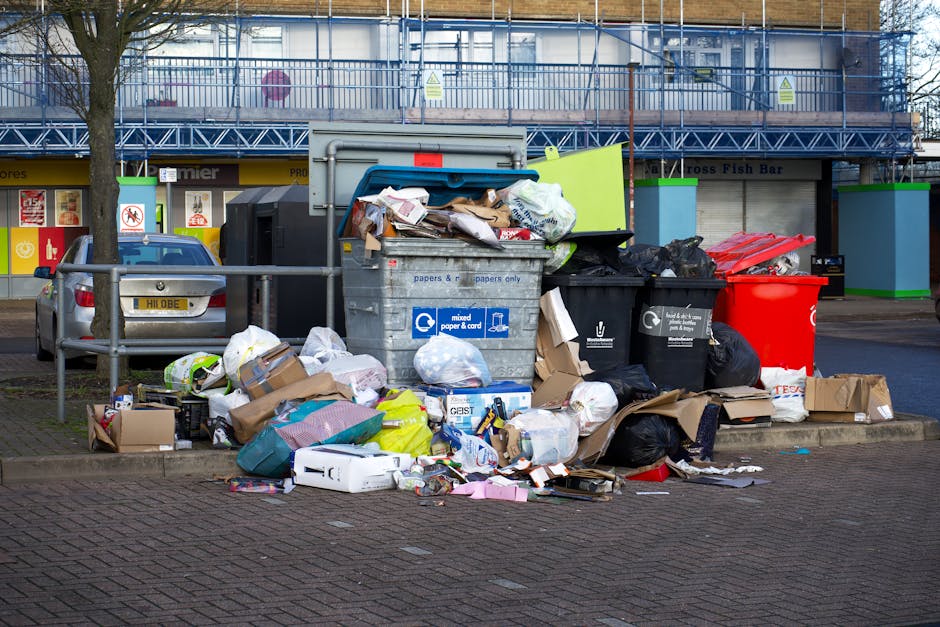
Urgent rubbish removal delays near Crystal Palace Park: what to do when the clear-out cannot wait
If you are dealing with urgent rubbish removal delays near Crystal Palace Park, you are probably not in the mood for vague promises or "we'll try tomorrow" excuses. The bin bags are piling up, builders' waste is in the hallway, or a garden clear-out has turned into a small and slightly embarrassing mountain of mess. It happens. And when it does, timing matters just as much as the clearance itself.
This guide explains why delays happen, how urgent rubbish removal should be handled, what to check before booking, and how to keep the job moving if you are trying to clear a home, flat, office, or renovation site near Crystal Palace Park. You will also find a practical checklist, a comparison table, and some straight-talking advice on compliance, pricing, and common mistakes. No fluff. Just useful detail you can actually use.
Quick takeaway: if your clearance is already delayed, the best move is to confirm access, waste type, volume, and booking priority in one go. Most avoidable holdups come from missing information, not from the rubbish itself.
Why urgent rubbish removal delays near Crystal Palace Park matters
When rubbish removal is delayed, the problem rarely stays neatly in one corner. It spreads. A blocked front passage becomes awkward for deliveries. A half-cleared flat starts to smell stale. Renovation waste left outside attracts attention from neighbours, passers-by, and sometimes pests. Near Crystal Palace Park, where streets can be busy and parking is often tight, a missed collection can be more than a nuisance; it can throw off a whole day's plan.
For households, the stress is obvious. You may be moving out, preparing for guests, sorting a bereavement clearance, or simply trying to get your life back in order after weeks of clutter. For businesses, delays can disrupt trading, frustrate staff, and leave an unprofessional impression. For builders or landlords, they can affect access, handover dates, or even the next stage of work. Let's face it, the last thing anyone wants is a staircase full of broken furniture when the decorator is meant to arrive first thing Monday.
There is also a safety angle. Waste left in hallways, shared entrances, gardens, or rear access routes can create trip hazards. Cardboard absorbs moisture. Sharp edges get forgotten. Bags split. It sounds small until someone clips a heel, or a loader has to shift awkwardly around a narrow landing. In a busy local area, a delay can quickly become a practical problem rather than just an inconvenience.
That is why urgent rubbish removal is not just about speed. It is about keeping momentum, reducing risk, and getting back to normal without dragging the issue out for another week.
How urgent rubbish removal near Crystal Palace Park works
In practical terms, urgent rubbish removal is a faster, more responsive version of a standard clearance. The process is usually simple, but the best results come when the booking is clear from the start. You describe what needs removing, where it is, how much there is, and how quickly it needs to go. A good provider then gives you a realistic collection window and explains any limits before arriving.
The phrase "urgent" can mean different things. For one customer, it means same-day removal after a delivery failed and boxes are blocking the stairs. For another, it means next-day collection before a property viewing. For a small business, it might be a quick turnaround after an office refit or stockroom reset. The key point is that urgency should be matched with clear details, otherwise delays simply move from one stage to another.
Most removals involve some version of the same steps:
- You explain the items, waste type, and access situation.
- The provider checks what can be removed, what may need special handling, and whether the job fits the timeframe.
- A collection time is agreed, ideally with a narrow window if the job is genuinely urgent.
- The team arrives, loads the waste, and clears the area safely.
- The waste is then sorted, reused, recycled, or disposed of according to the service's procedures.
If the waste includes heavy furniture, mixed household items, garden waste, or builders' debris, the job may take longer than a simple bag collection. That is normal. What matters is being honest early. A sofa, four bin bags, and a dismantled wardrobe are not the same as a few loose sacks, even if they all look like "just rubbish" from the doorway.
For services that cover broader needs, it can help to look at general waste removal options alongside more specific services such as house clearance or home clearance. That way, the booking matches the actual job rather than a rough guess.
Key benefits and practical advantages
Urgent clearance done well has a very down-to-earth value: it removes pressure. That alone is worth a lot when you are juggling a deadline, a letting changeover, or a renovation that is already running late.
- Less disruption: spaces become usable again faster, which helps with cleaning, decorating, moving, or trading.
- Better safety: clear floors and passages reduce trip risks, especially in shared buildings and narrow access points.
- Cleaner first impression: important if you are selling, letting, or welcoming customers to a business premises.
- Lower stress: there is a real mental lift in seeing a packed room empty out. You can almost hear the place breathe again.
- More control over deadlines: urgent collections help other trades, removers, or tenants stay on schedule.
There is also a quieter benefit people sometimes miss: a well-handled urgent removal often prevents a second problem. For example, if builders' waste is left too long, it can block follow-on work. If furniture is left in a flat after a tenancy change, cleaning becomes slower and more expensive. If a garage is crammed with mixed junk, you may keep postponing the larger sort-out. Clearing it quickly breaks that loop.
Where appropriate, a good service should also be able to separate items for reuse, recycling, or careful disposal. If sustainability matters to you, ask about local sorting processes and whether the provider has a clear recycling and sustainability approach. It is a simple question, but a meaningful one.
Who this is for and when it makes sense
Urgent rubbish removal near Crystal Palace Park is not just for emergency situations. It suits anyone who has a time-sensitive clearance and cannot afford vague scheduling.
Common situations where urgent removal makes sense
- Moving home: you need bulky rubbish gone before movers arrive or keys are handed over.
- End of tenancy: leftover furniture, broken items, or bagged waste need removing quickly to avoid delays.
- After DIY or renovation: plasterboard, timber offcuts, packaging, and old fixtures are taking up space.
- Garden jobs: cuttings, soil, broken pots, and old outdoor furniture need shifting after a weekend of work.
- Office or business clear-outs: stock, packaging, old desks, or mixed waste must go before staff return or customers arrive.
- Household clutter crises: sometimes the issue is simply that the property has reached its limit and you need breathing room, fast.
It also makes sense when access is restricted. Maybe the property has no lift, or the road outside fills up quickly, or you only have a small time window because of neighbours, parking, or building rules. In those cases, the service itself needs to be organised, not just quick. That difference matters more than people think.
For larger or more specific jobs, the right service type can save time. A single-room declutter might fit a furniture clearance or furniture disposal booking, while a whole property or packed loft might be better matched to a flat clearance or loft clearance.
Step-by-step guidance
If you are trying to avoid delays, this is the part to pay attention to. The smoother your booking information, the faster the clearance can usually happen.
- List everything that needs removing. Be specific. "A few bits" can mean anything from three chairs to a van full of mixed waste.
- Separate waste types if you can. Furniture, garden waste, builders' debris, and general rubbish are easier to quote and load when identified clearly.
- Check access. Note stairs, parking restrictions, narrow gates, loading points, lift access, or anything that might slow the team down.
- Choose your timing carefully. If the job is urgent, say so plainly. Morning slots and narrow windows are often easier to plan around than vague "sometime today" requests.
- Ask what happens if the collection is delayed. A reliable provider should explain the process clearly rather than leaving you guessing.
- Confirm payment expectations early. No one likes last-minute confusion, and it can hold things up more than bad weather sometimes.
- Prepare the items. Group them near the exit if safe to do so. Do not block fire routes, though. Common sense first.
- Stay reachable on the day. If access changes or a gate code is needed, the team can solve it quickly if you answer the phone.
If the waste is mainly bulky items, moving them into one place can speed the job up. If it is mixed with small loose rubbish, bagging what you can beforehand helps. Truth be told, ten tidy bags are easier to remove than one chaotic pile with half a broken lamp poking out.
For business premises, separate the operational question from the clean-up question. You may need business waste removal for ongoing waste, or a one-off office clearance if desks, files, or old equipment are involved.
Expert tips for better results
A few small habits can prevent most urgent clearance delays. They are simple, but they work.
- Be exact about volume. A rough estimate is fine, but give enough detail for the provider to picture the load.
- Send photos if allowed. A clear photo of the waste and access route can save time and prevent misunderstandings.
- Check for awkward items early. Large mirrors, mattresses, broken appliances, and heavy wardrobes need different handling.
- Keep the route clear. If the team has to move around shoes, bikes, prams, or stacked bags, the job slows down.
- Ask about recycling and sorting. It is a sensible question and often reveals whether the service is well organised.
- Plan for the next step. If the space will be cleaned, painted, or repaired, schedule that work only after the rubbish is booked in.
One of the most useful habits is to create a "clearance zone" before the team arrives. Even five minutes spent pulling items together can shave time off the visit. It sounds small, but on a tight deadline small things are not small.
If your job involves mixed household furniture, a provider with experience in house clearance can often handle the practical bits more smoothly than a generic collection. If it is mainly old sofas, chairs, or tables, a more focused furniture clearance may be the cleaner fit.
Common mistakes to avoid
Most delays are preventable. That is the annoying part, but also the useful part, because it means you can fix them.
- Underestimating the amount of waste: this is probably the most common one. People often forget loft debris, shed clutter, or items in the back room.
- Not mentioning access problems: if the vehicle cannot park close enough, the clearance may take longer or need a different plan.
- Mixing everything together: builders' waste, furniture, and general rubbish can be handled, but it helps if the provider knows what they are walking into.
- Booking too late: urgent is fine, but even urgent jobs need enough notice to be realistic.
- Leaving the wrong items out: some waste types need special care, so assuming "they'll take it all" can create a hold-up.
- Failing to confirm the time window: if your whole afternoon depends on the job, make sure the collection timing is very clear.
A quiet but common issue is emotional overload. People delay booking because the space feels overwhelming, and then the delay becomes part of the problem. Completely normal, by the way. If that is where you are, just start with one room or one pile. Momentum matters more than perfection.
Tools, resources and recommendations
You do not need a toolbox for rubbish removal, but a few practical items can make the process easier:
- Notebook or phone notes: to list the items and keep track of what needs removing.
- Camera phone: useful for photos of awkward access or larger items.
- Basic bags or boxes: handy for loose rubbish, paperwork, or smaller items that would otherwise spill everywhere.
- Labels or marker pens: especially useful if you are separating what stays from what goes.
- Gloves and sturdy shoes: sensible if you are moving anything yourself before the team arrives.
From a service perspective, the most useful recommendation is to choose a provider that is transparent about the job, the timing, and the handling of the waste. If you are comparing options, look at whether the service information is clear, whether the pricing process is straightforward, and whether the company explains what happens to the rubbish afterwards. You can usually get a better feel for that by checking pricing and quotes information before you book.
If the job is linked to repairs or construction, it may also be worth looking at builders waste clearance. That tends to be faster when the waste is predictable, like timber, plasterboard, packaging, or rubble. For outdoor work, garden clearance can be the more sensible match, especially after hedge cutting or a full garden tidy-up.
Law, compliance, standards and best practice
Waste removal in the UK comes with responsibilities, even when the job is urgent. You do not need to become a compliance expert overnight, but you should expect any professional operator to handle waste lawfully and safely.
In plain English, that means waste should be collected, transported, and disposed of in a way that follows accepted UK practice. A responsible provider should know how to handle different waste streams, avoid unsafe loading, and take care with items that cannot simply be dumped or mixed in with ordinary rubbish. If a service sounds casual about this, that is a red flag.
For the customer, the safest approach is to be honest about what is being removed. If you are unsure whether something is suitable for a standard rubbish removal or needs special handling, say so. Batteries, paint, chemicals, electrical items, and some bulky objects can need extra consideration. Better to pause for a moment than to rush the wrong thing into a van.
There is also a broader duty of care in practice: choose a service that appears properly insured, handles staff safety carefully, and explains its process clearly. You may want to review pages such as insurance and safety and health and safety policy if you are checking a provider's standards before agreeing to a booking.
For businesses, extra care is sensible because delays can affect customers, staff access, stock, and premises management. If you run a shop, office, studio, or managed property near the park, keep records of what was removed, when it was collected, and who arranged it. That is simple housekeeping, but it helps if questions come up later.
Options, methods and comparison table
There is no single best method for every urgent clearance. The right choice depends on what needs removing, how quickly it must happen, and how much space you have to work with.
| Method | Best for | Speed | Practical notes |
|---|---|---|---|
| Same-day rubbish removal | Immediate clutter, blocked access, fast turnaround | Fastest | Works best when waste type and access are clear from the start. |
| Next-day clearance | Moves, viewings, tradespeople, end-of-tenancy prep | Very quick | Often the best balance of speed and organisation. |
| Scheduled clearance | Larger or mixed jobs with flexible timing | Moderate | Useful if you need more planning time or multiple rooms cleared. |
| Specialist service by waste type | Furniture, garden waste, builders' debris, office items | Usually efficient | Can save time if the waste is clearly grouped and described. |
If the issue is a single problem item, like a broken wardrobe or old sofa, a targeted service may be enough. If the property is overloaded with mixed rubbish, a broader clearance is often simpler. It is rarely about finding the fanciest option. It is about choosing the one that fits the mess you actually have.
For example, a landlord with a packed flat might lean towards flat clearance, while someone emptying a garage after years of accumulation may be better served by garage clearance. Same urgency, different shape of job.
Case study or real-world example
Here is a realistic example. A resident near Crystal Palace Park had planned a small refurb before a family visit. The skip idea was dropped because access was tight and the road was too busy to make it practical. By Thursday afternoon, the hallway held broken shelving, old boxes, and a dismantled wardrobe. The room itself was fine. The problem was the pile in front of it.
The first lesson was obvious after the fact: the waste had been described too loosely. "A few bits of furniture and rubbish" sounded manageable, but once everything was gathered together, it was more than expected. The second lesson was access. There was a narrow frontage, limited parking, and a neighbour's car partly blocking the space where loading would have been easiest.
What fixed it was not magic, just clarity. The items were grouped, measurements were checked, and the clearance was arranged with a realistic loading plan. Once that happened, the space was cleared quickly and the decorating could start the next morning. Not glamorous. Very effective.
That is the pattern with most urgent jobs. Delays shrink when the information gets better. And once the mess is gone, the relief is almost physical.
Practical checklist
Use this checklist if you need to move fast and avoid further delays.
- Identify exactly what needs removing.
- Separate furniture, garden waste, builders' waste, and general rubbish where possible.
- Check access, parking, stairs, and lift availability.
- Confirm whether the job needs same-day or next-day collection.
- Gather items into one safe, accessible area.
- Remove anything you want to keep before the team arrives.
- Ask about recycling, reuse, and disposal handling.
- Check any insurance or safety information that matters to you.
- Keep your phone close on the collection day.
- Make sure the route from the property to the loading point is clear.
Short version: clear details, clear access, clear timing. That is the whole game when time is tight.
Conclusion
Urgent rubbish removal delays near Crystal Palace Park are stressful, but they are also usually solvable with a bit of structure and the right expectations. The fastest way forward is to be specific about the waste, honest about access, and clear about how quickly you need the job done. Whether you are dealing with a house move, a damaged sofa, builders' debris, or a full-room clear-out, the same principle applies: better information leads to fewer delays.
If you are comparing your options, look for a service that explains its process plainly, handles waste responsibly, and offers a booking style that matches your deadline. That mix matters more than polished promises. And once the load is gone, you will notice how much easier everything else becomes - from cleaning the floor to simply thinking straight again.
Get a free quote today and see how much you can save.
When the mess is finally out of the way, the room feels bigger, the day feels lighter, and the next step feels possible again. That is often the real value.
Frequently Asked Questions
Why are rubbish removal jobs delayed near Crystal Palace Park?
Delays usually happen because of incomplete information, awkward access, parking issues, mixed waste types, or unrealistic timing. The more precise the booking details, the less likely a delay becomes.
Can I get same-day rubbish removal if it is urgent?
Often, yes, if the provider has availability and the job details are clear. Same-day work is more likely to succeed when you explain the waste type, volume, and access at the first point of contact.
What should I do if a clearance has already been postponed?
Reconfirm the waste list, check access again, and ask for the earliest realistic collection window. If anything changed since the original booking, mention it straight away so the plan can be adjusted.
How do I know whether my waste counts as furniture, garden, or builders' waste?
Think about the main material and origin of the items. Sofas, tables, and wardrobes are furniture. Cuttings and outdoor debris are garden waste. Timber offcuts, rubble, plasterboard, and renovation leftovers are usually builders' waste.
Is urgent rubbish removal more expensive than a standard collection?
It can be, depending on urgency, access, waste volume, and whether the job needs a special time window. The fairest approach is to request a clear quote based on the actual job, not just a rough idea.
Can I leave rubbish outside for collection if I am not home?
Sometimes, but only if it has been agreed in advance and the items are safely placed. In many cases, it is better for someone to be present so access issues, unexpected items, or changes can be handled on the spot.
What if I have mixed rubbish and furniture together?
That is common. Just describe it clearly. Mixed loads are usually manageable, but they are easier to quote and remove when the provider knows what is involved from the beginning.
Do I need to sort items before the team arrives?
Not always, but it helps. Grouping items together, keeping the route clear, and separating what you want to keep from what is going can save time and reduce confusion.
What happens to the rubbish after collection?
Responsible providers sort items for reuse, recycling, or disposal according to the waste type. If sustainability matters to you, ask how the service handles that part of the process.
How can businesses avoid disruption when removal is delayed?
Plan the collection around trading hours, staff access, and customer flow. If the waste is part of an ongoing operation, using a suitable business waste removal arrangement can reduce repeat interruptions.
What is the best way to prepare for an urgent clearance?
Make a list, check access, remove keepers from the area, and keep communication open on the day. Small preparations save a surprising amount of time when the clock is already ticking.
When should I choose a specialist service instead of general rubbish removal?
Choose a specialist service when the waste is mostly one category, such as furniture, loft contents, garden debris, or builders' waste. That can make the process smoother and sometimes quicker, especially under time pressure.