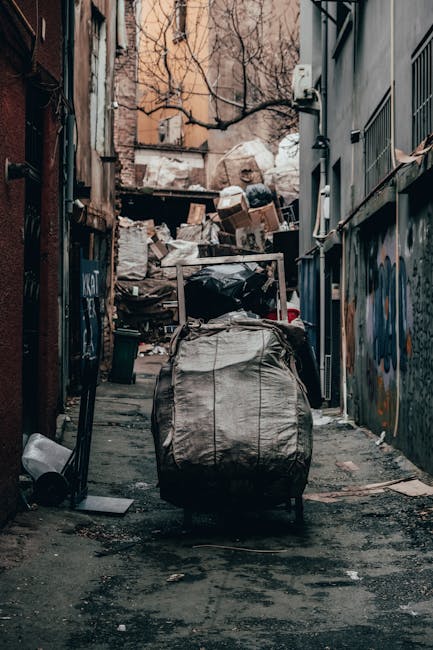
Gipsy Hill flat rubbish removal checklist for landlords
If you let flats in Gipsy Hill, rubbish removal is one of those jobs that can look small on paper and turn into a headache fast. An overflowing cupboard, a balcony full of broken furniture, a bin store that smells a bit off by Tuesday morning... it only takes one overlooked space for a tenancy handover, refurbishment, or void period to get messy. This Gipsy Hill flat rubbish removal checklist for landlords is designed to help you clear a property properly, protect your time, and avoid the awkward surprises that tend to appear at the last minute.
Whether you manage one flat or several, the goal is simple: leave the property safe, tidy, and ready for the next stage. That might mean a new tenant, decorators, cleaners, or a full turnaround between lets. In practice, it also means knowing what to remove, what to keep, and what to document before anything goes out the door. Let's make it straightforward.
Expert summary: A good flat clearance plan is not just about speed. It is about sorting items correctly, protecting communal areas, keeping records, and making sure nothing important is accidentally thrown away. A calm, ordered process usually saves more money than a rushed one.
Table of Contents
- Why Gipsy Hill flat rubbish removal checklist for landlords Matters
- How Gipsy Hill flat rubbish removal checklist for landlords Works
- Key Benefits and Practical Advantages
- Who This Is For and When It Makes Sense
- Step-by-Step Guidance
- Expert Tips for Better Results
- Common Mistakes to Avoid
- Tools, Resources and Recommendations
- Law, Compliance, Standards, or Best Practice
- Options, Methods, or Comparison Table
- Case Study or Real-World Example
- Practical Checklist
- Conclusion
- Frequently Asked Questions
Why Gipsy Hill flat rubbish removal checklist for landlords Matters
For landlords, rubbish removal is rarely just about getting rid of "stuff". It touches tenancy changeovers, property condition, safety, neighbour relations, and sometimes even compliance. In a flat, especially, there are shared hallways, stairwells, lifts, bin stores, and parking restrictions to think about. That changes the job a lot compared with clearing a house.
In Gipsy Hill, many flats sit in converted buildings, purpose-built blocks, or compact street properties where access can be tight. One bulky wardrobe dragged down three flights of stairs can create scuffs, noise, and complaints before you've even started. A proper checklist helps you avoid that slightly frantic end-of-tenancy feeling where everyone is asking, "Is this being left? Is this going? Wait, whose chair is that?"
It also helps with evidence. If a tenant has left items behind, or if you are preparing a flat for sale, refurbishment, or re-letting, a clear process shows what was removed, when, and why. That makes disputes less likely. And to be fair, nobody enjoys arguing about a broken coffee table in a nearly empty flat at 6pm on a Friday.
Landlords also benefit from a more predictable turnaround. The sooner rubbish, damaged furniture, and unwanted appliances are sorted, the sooner the property can be cleaned, repaired, and marketed. A tidy start matters more than people think. It affects viewings, photos, and first impressions all in one go.
How Gipsy Hill flat rubbish removal checklist for landlords Works
The process usually begins with a walk-through. You assess the flat room by room, identify what needs to go, and separate items into clear categories. That sounds basic, but it is the bit that prevents wasted time later. Without sorting first, everything ends up in a pile, and piles have a way of becoming chaos. Fast.
A landlord-focused rubbish removal checklist typically follows this pattern:
- Inspect the flat and note every item left behind.
- Separate reusable items, general rubbish, bulky waste, electricals, and anything sensitive.
- Confirm whether anything belongs to the tenant, landlord, or managing agent.
- Decide what can be collected, recycled, donated, or disposed of.
- Arrange safe removal, especially for heavy or awkward items.
- Check communal routes, parking access, and lift/stair protection before moving anything.
- Finish with a final sweep, photo record, and handover-ready inspection.
In many cases, landlords either handle the removal themselves or bring in a specialist clearance team. The right choice depends on time, volume, access, and whether the flat contains mixed waste or large furniture. If you need help comparing your options, it is worth looking at pricing and quotes early rather than after the job has already become urgent.
The main thing is coordination. A good system turns a stressful move-out into a tidy sequence of steps. A poor one turns it into an all-day shuffle with bin bags, a broken lamp, and someone muttering about "just one more trip".
Key Benefits and Practical Advantages
A solid flat rubbish removal checklist gives landlords more than a clean property. It creates control, and control is what keeps turnaround periods from drifting.
- Cleaner handovers: The flat is ready for cleaners, decorators, or new tenants without delays.
- Lower dispute risk: Clear records help show what was left behind and what was removed.
- Safer access: Fewer trip hazards, blocked exits, and awkward lifting issues.
- Better presentation: Empty, tidy rooms photograph better and feel more welcoming.
- Less wasted time: Sorting first prevents repeat visits and half-finished removals.
- More efficient recycling: Items can be separated more sensibly instead of being dumped together.
There is also a quieter benefit: peace of mind. Once the checklist is in place, you are not relying on memory or a quick glance in the hallway. You know what has been dealt with. That matters when you are juggling multiple properties, contractors, and the usual tenancy admin.
For landlords working through a refurb or void period, this can also reduce downstream delays. If bulky rubbish is removed early, decorators and maintenance teams can get in and out faster. Small win, big difference.
Who This Is For and When It Makes Sense
This checklist is useful for a broad range of landlords, but it is especially handy in a few common situations.
- End-of-tenancy clearances: When tenants have left behind furniture, bin bags, or mixed clutter.
- Void periods: When a flat needs to be cleared before cleaning or redecoration.
- Refurbishment prep: When old carpets, broken furniture, or loose contents need removing first.
- Probate or inherited rental property: When the property must be sorted carefully before reletting or sale.
- HMO or multiple-occupancy flats: Where shared storage and unclear ownership can create confusion.
- Portfolio landlords: When standardising your move-out process saves time across several flats.
It also makes sense when access is awkward. Flats in Gipsy Hill can mean narrow stairs, limited parking, or communal entrances that need consideration. If you have ever tried carrying a mattress through a tight hallway while trying not to ding the paintwork, you already know the value of planning.
Truth be told, many landlords only think about rubbish removal after a cleaner, agent, or contractor flags the problem. That is understandable. But a checklist works better when it is built into the turnover process from the start.
Step-by-Step Guidance
Here is a practical way to handle a flat clearance without overcomplicating it. You can adapt this whether you are dealing with a small studio or a larger multi-room flat.
1. Inspect every room properly
Start with the obvious spaces, then check the less obvious ones: under beds, inside wardrobes, above kitchen cupboards, balcony corners, meter cupboards, and storage boxes. Left-behind items often hide in plain sight. People get busy during move-outs and shove things anywhere. It happens.
2. Separate items by category
Use simple categories:
- General rubbish
- Bulky furniture
- Electrical items
- Metal, wood, and recyclable materials
- Personal paperwork and valuables
- Hazardous or specialist waste
This makes the next decision easier. A flat clearance does not need fancy systems. It just needs clarity.
3. Protect tenant and landlord interests
Before removing anything, check whether it might be of value or relevance. Keep hold of obvious personal documents, passports, medication, keys, and anything with identifiable data until you have followed your usual process. If in doubt, do not rush. A ten-minute pause can prevent a much bigger problem later.
4. Think about access and neighbours
In a flat, removal is not only about the room itself. You also need to consider stairs, lifts, corridors, parking, and loading. If a bulky item has to pass through a shared entrance, it may be worth covering corners or coordinating timing to reduce disruption. Nobody wants a scrap of plaster on the communal carpet and an angry message from the freeholder.
5. Arrange the right method of removal
Some small clearances can be handled with household waste bags and a vehicle run to a permitted facility. Larger or mixed loads often need a professional service. If you are unsure how to approach a bigger job, look at the company's health and safety policy and insurance and safety information before you book. That tells you a lot about how seriously the work is treated.
6. Record the outcome
Take photos of the property before and after clearance. Keep notes on what was removed, especially for tenancy records or deposit discussions. You do not need a novel. A short, dated record is usually enough, and it can save a lot of back-and-forth.
7. Finish with a final sweep
Once the waste is out, check plug sockets, cupboards, balconies, and behind doors. Bits and pieces always seem to appear after you think you are done. A final sweep takes five minutes and can prevent a "we missed the old lampshade" moment later. Annoying, but avoidable.
Expert Tips for Better Results
A few small habits make flat rubbish removal noticeably smoother.
- Use a room-by-room label system: Keep items grouped by location so nothing gets mixed up.
- Photograph before you touch: Especially useful if there is tenant property, damage, or dispute risk.
- Separate bulky items early: Sofas, wardrobes, and mattresses eat time if left until the end.
- Clear access first: Move loose rubbish away from doors and corridors before tackling heavy objects.
- Work from high-use spaces outward: Bedrooms, lounge, and kitchen first; hidden storage second.
- Keep a disposal log: It does not need to be elaborate. A simple note of what went where is useful.
Another useful habit is to book clearance before the next contractor arrives. Seems obvious, yet it is often missed. A painter arriving to find a hallway full of broken shelving will not thank you. Nor will your timeline.
If your turnaround depends on fast, tidy work, choose a provider with clear recycling and sustainability practices. That tends to reflect a more organised operation overall, not just a greener one.
And yes, measure awkward items. I know, I know - nobody enjoys measuring a damp-looking wardrobe at the end of a long day. But guessing wrong can mean a second visit, and second visits are rarely fun.
Common Mistakes to Avoid
Most problems come from speed, not complexity. Landlords are busy, so the same issues appear again and again.
- Assuming everything is rubbish: Some items may belong to the tenant or may need to be stored temporarily.
- Forgetting communal areas: Lifts, hallways, and entrances can be damaged if you rush.
- Mixing waste types: That makes recycling harder and can complicate disposal.
- Skipping photos: You may regret it later if there is a dispute about condition or missing items.
- Underestimating bulky waste: One sofa can be more awkward than three bags of loose rubbish.
- Ignoring access restrictions: Parking, loading, and building rules can slow everything down.
- Leaving clearance too late: If decorators or cleaners are waiting, the whole handover slips.
A quieter mistake is assuming the cheapest option is automatically the best. It might be, but not always. What looks cheap can become expensive if it means extra labour, repeated visits, or poor communication. A fair comparison looks at timing, safety, reliability, and clarity, not just the headline number.
Tools, Resources and Recommendations
You do not need a van full of specialist equipment for every job, but a few practical tools help enormously.
- Heavy-duty bin bags and rubble sacks: Good for mixed light waste and small items.
- Protective gloves: Useful for dirty, sharp, or dusty items.
- Moving blankets or corner protection: Helpful in shared hallways and narrow stairwells.
- Labels or masking tape: Great for sorting items by room or category.
- Phone camera: Probably the most useful tool in the whole process, if we are honest.
- Basic trolley or sack truck: Can save your back on heavier loads.
If you are outsourcing the job, look for a provider that explains its process clearly, offers transparent communication, and has sensible policies available online. Pages such as about us, terms and conditions, and complaints procedure can tell you a lot about how a company works before you even pick up the phone.
For landlords who want a smooth admin experience too, look at payment and security and contact options. A responsive booking process is often a sign of a well-run operation. Small detail, big clue.
Law, Compliance, Standards, or Best Practice
Without turning this into a legal lecture, it is sensible for landlords to treat rubbish removal with a bit of care. In the UK, duty of care principles around waste are taken seriously, and landlords should not just hand waste over blindly without knowing where it is going. That does not mean you need to become a waste expert. It does mean you should use reputable operators and keep sensible records.
Best practice usually includes:
- making sure waste is collected and handled responsibly;
- keeping documentation where appropriate;
- separating recyclable items where practical;
- avoiding unsafe lifting or blockages in communal areas;
- protecting any personal or sensitive material found in the flat.
For shared buildings, you should also be mindful of house rules, building access arrangements, and noise considerations. A late-night clearance in a quiet block is rarely a good idea. Daytime scheduling is usually simpler and more neighbour-friendly.
If a job involves anything beyond general domestic rubbish, it is worth asking how the company approaches safety and disposal. The presence of a clear health and safety policy and recycling and sustainability statement can be a reassuring sign that the work will be handled properly. Not flashy. Just reliable.
Options, Methods, or Comparison Table
Landlords usually choose between doing it themselves, using a partial clearance approach, or booking a full professional service. Each has its place.
| Method | Best for | Strengths | Watch-outs |
|---|---|---|---|
| DIY clearance | Very small volumes or simple bagged waste | Flexible, potentially lower upfront cost | Time-consuming, lifting risks, access issues, disposal logistics |
| Partial clearance | Mixed jobs where the landlord handles some items and outsources the rest | Good balance of control and efficiency | Needs careful sorting to avoid confusion |
| Professional flat clearance | Bulky loads, time-sensitive turnarounds, awkward access, or sensitive clearances | Fast, safer, less physical effort, often better for larger jobs | Requires clear instructions and a reputable provider |
For many landlords in Gipsy Hill, the sweet spot is somewhere between partial and professional. If the flat is empty but cluttered, or if there is heavy furniture and limited access, a specialist service can save a lot of faff. If the job is just a few bags and a broken chair, DIY may be enough.
The right answer depends on the property, the deadline, and your tolerance for lifting a wardrobe down a staircase. Not everyone wants that kind of weekend.
Case Study or Real-World Example
Imagine a two-bedroom flat in Gipsy Hill at the end of a tenancy. The tenant has moved out, but the property still contains a mattress, a wardrobe, a small sofa, several black bags, and some kitchen clutter. The landlord needs the flat cleared before an electrician and cleaner arrive the following day.
The first move is a quick inspection. The landlord checks cupboards, the balcony, and under the beds, then separates the tenant's paperwork from the rubbish. A few items are set aside because they may still be useful in the flat after cleaning. The bulky items are measured against the hallway and stair access, and the route is cleared before anything is moved.
Because the job is time-sensitive, the landlord books a professional clearance and shares photos in advance. That helps the team estimate the work more accurately. The removal is completed in one visit, and the flat is left ready for cleaners the next morning. No frantic second trip, no awkward pile in the corridor, no mystery bag left behind.
It sounds simple, but that is exactly the point. The best clearances usually look uneventful from the outside. Calm. Ordered. Done.
Practical Checklist
Use this checklist before, during, and after a flat rubbish removal job.
- Confirm the tenancy has ended or access is authorised.
- Walk through every room, cupboard, and storage space.
- Separate tenant belongings from rubbish and landlord items.
- Sort waste into bags, bulky items, electricals, and recyclables.
- Photograph the property before clearance begins.
- Check access routes, stairs, lifts, and parking restrictions.
- Protect walls, doors, and communal areas if needed.
- Remove obvious hazards first, such as broken glass or unstable stacks.
- Keep records of what was removed and when.
- Inspect the flat again after the clearance is finished.
- Arrange cleaning, repairs, or redecoration only after waste is fully gone.
- Store any sensitive or disputed items securely until the matter is resolved.
If you want an extra layer of reassurance, use your final pass to check behind radiators, inside oven drawers, and on top of tall cupboards. Those are the places people forget most often. Every time.
Get a free quote today and see how much you can save.
Conclusion
A landlord's flat clearance is never just about removing waste. It is about keeping the turnaround organised, protecting the building, and making sure the property is ready for what comes next. With the right Gipsy Hill flat rubbish removal checklist for landlords, you can deal with leftover furniture, general rubbish, and awkward access issues without turning the process into a long weekend project.
The best results come from simple habits: inspect thoroughly, sort carefully, protect shared spaces, and keep records. If you can do those things well, the rest usually falls into place. And if the job is bigger than you want to handle alone, choosing a clear, well-run clearance service can make life much easier. No drama. Just a proper finish.
For landlords who want a smoother way to plan the next step, a little structure now can save a lot of stress later. That is the quiet value of doing it right.
Frequently Asked Questions
What should be included in a landlord flat rubbish removal checklist?
It should cover room-by-room inspection, sorting of rubbish and belongings, bulky item removal, access planning, photos, and a final clean-up check. A good checklist also notes any items that may belong to the tenant or need special handling.
Do landlords have to remove everything left behind by tenants?
Not automatically. It depends on the situation and your tenancy process. In practice, landlords should identify abandoned items carefully, document them, and handle removal responsibly. If something looks personal or valuable, do not rush.
Is flat rubbish removal different from house clearance?
Yes, often quite a bit. Flats usually involve shared access, tighter staircases, lifts, parking limits, and more neighbour consideration. That means planning matters more than people expect.
Can I throw away tenant paperwork or personal items?
Not without care. Personal documents, keys, medication, and identifiable items should be set aside and handled cautiously. If you are unsure whether something is rubbish, treat it as a separate category first.
What types of items are usually removed from rental flats?
Common items include furniture, mattresses, broken appliances, bagged rubbish, old carpets, clothing, kitchenware, and mixed clutter. Some flats also contain items from storage cupboards, balconies, or shared spaces.
How do I know if I need a professional clearance service?
If the flat contains bulky items, mixed waste, heavy lifting, awkward access, or a tight turnaround, a professional service is usually the safer and faster option. If it is only a few bags, you may be able to manage it yourself.
What should I ask before booking a rubbish removal company?
Ask how they handle access, safety, recycling, insurance, payment, and disposal. It also helps to review their public information pages, such as about us and insurance and safety, so you know who you are dealing with.
How can I avoid damage in communal areas during a flat clearance?
Clear the route first, protect corners where needed, and move bulky items carefully. Timing also matters. A daytime collection is usually easier to manage in a shared building than a rushed evening job.
Should I keep photos before and after rubbish removal?
Yes. Photos help with record-keeping, deposit discussions, and property management generally. They are especially useful if the flat was left in a poor state or there is any dispute about abandoned items.
What is the most common mistake landlords make with flat rubbish removal?
The biggest mistake is leaving it too late. Once contractors, cleaners, or new tenants are waiting, even a small amount of rubbish can delay everything. A simple checklist avoids that last-minute scramble.
How do recycling and sustainability fit into flat clearance?
They matter because many items can be separated rather than treated as mixed waste. Choosing a provider with a sensible approach to recycling and sustainability is a practical way to keep the process tidier and more responsible.
What should I do if access to the flat is awkward?
Plan it in advance. Measure large items, check stairwells and door widths, and confirm parking or loading arrangements. If the route is especially tight, it is worth speaking to a clearance team before lifting anything at all.
Where can I find more information about the company's policies?
You can review the company's public policy pages, including terms and conditions, complaints procedure, and health and safety policy. That gives you a clearer picture of how the service is run.